What is Metaproteomics?

Direct insight into real microbial function

Screenshot 2025-11-07 161208

Metaproteomics is the large-scale profiling of microbial proteins produced by the microbiota in e.g. fecal samples, offering the most direct and accurate measurement of what microbes are actually doing in a given environment within complex microbial communities and microbial populations in the human gut microbiome and other environmental samples.

Unlike DNA or RNA methods, which show genetic potential or gene expression intent, metaproteomics captures the real biochemical activities and metabolic processes occurring within complex samples such as the human gut by measuring the entire protein complement of the system.

By linking protein expression to metabolic pathways and taxonomic identity, metaproteomics bridges the gap between:

  • Metagenomics – what microbes are and can do

  • Metatranscriptomics – what microbes intend to express

  • Metaproteomics – what microbes are actively doing

  • Metabolomics – what molecules microbes and the host produce as outputs

This makes it a crucial tool for anyone seeking functional, mechanistic insight into microbiome behavior, including the discovery of key proteins involved in infectious diseases, intestinal inflammation, and inflammatory bowel disease within the human gut microbiota.

Screenshot-2023-05-12-104057

How Does It Work

1. Protein Extraction.

Protein extraction is performed from microbiome samples (e.g., fecal samples or other environmental samples) using a combination of chemical and mechanical analysis that preserve protein integrity and recover both bacterial proteins and host proteins from very complex samples.
2. Samples are then subject to various clean-up

procedures to remove eg. salts and phospholipids during sample preparation, before they are subject to enzymatic digestion. Extracted proteins are digested into short peptides, typically 7–20 amino acid residues, using enzymes like trypsin so that peptides obtained can be used for peptide identification and functional characterization.


3. Mass Spectrometry.

Desalted peptides are then separated by liquid chromatography (LC) and analyzed via high-resolution mass spectrometry on modern mass spectrometers (e.g. LC MS workflows using tandem mass spectrometry), quantifying tens of thousands of peptides (e.g., ~35,000 per sample) from bacterial species and human cells.

4. Mapping Peptides to Proteins and Species.

Peptides are matched to proteins and then mapped to microbial species or strains using Uniprot or customized sample-derived proteome libraries.


5. Functional Analysis.

Proteins can then be linked back to databases such as KEGG, COG or CAZy enabling taxonomical and functional insights as well as responses to interventions 6. Multi-Omics Integration. Metaproteomics can be combined with metagenomics, metatranscriptomics, and metabolomics to form a complete mechanistic chain from genomic capacity → protein activity → metabolic output.


Microbiome Profiling

Profiling of metagenomics data is the foundation of all microbiome research. Our Cmbio human microbiome profiler (CHAMP™) provides the most comprehensive, precise and sensitive profiling for the human microbiome. With 6809 species, a recall that is 16% better than competing methods and a false abundance call (FPRA) that is at least 400 times better than any other method, CHAMP™ has no equal. 

The Benefits of Metaproteomics

Direct measurement of microbial activity

Proteins reflect true biochemical action, not potential or unstable transcription.

Functional validation of interventions

Detect functional changes in response to, e.g. fibers, HMOs, probiotics, or polyphenols, even without taxonomical shifts.

Mechanistic understanding of microbial ecosystems

Identify which species degrade which substrates, who cooperates, and which strains drive beneficial pathways.

Multi-omics synergy and predictive insights

Fill the functional gap between gene expression and metabolite output.

Competitive advantage in product development

Support regulatory claims, it can  validate modes of action, and optimize formulations for nutrition, health, and therapeutics.

Personalized understanding of dietary responses

Explain why different individuals respond differently to the same fiber or nutrient.

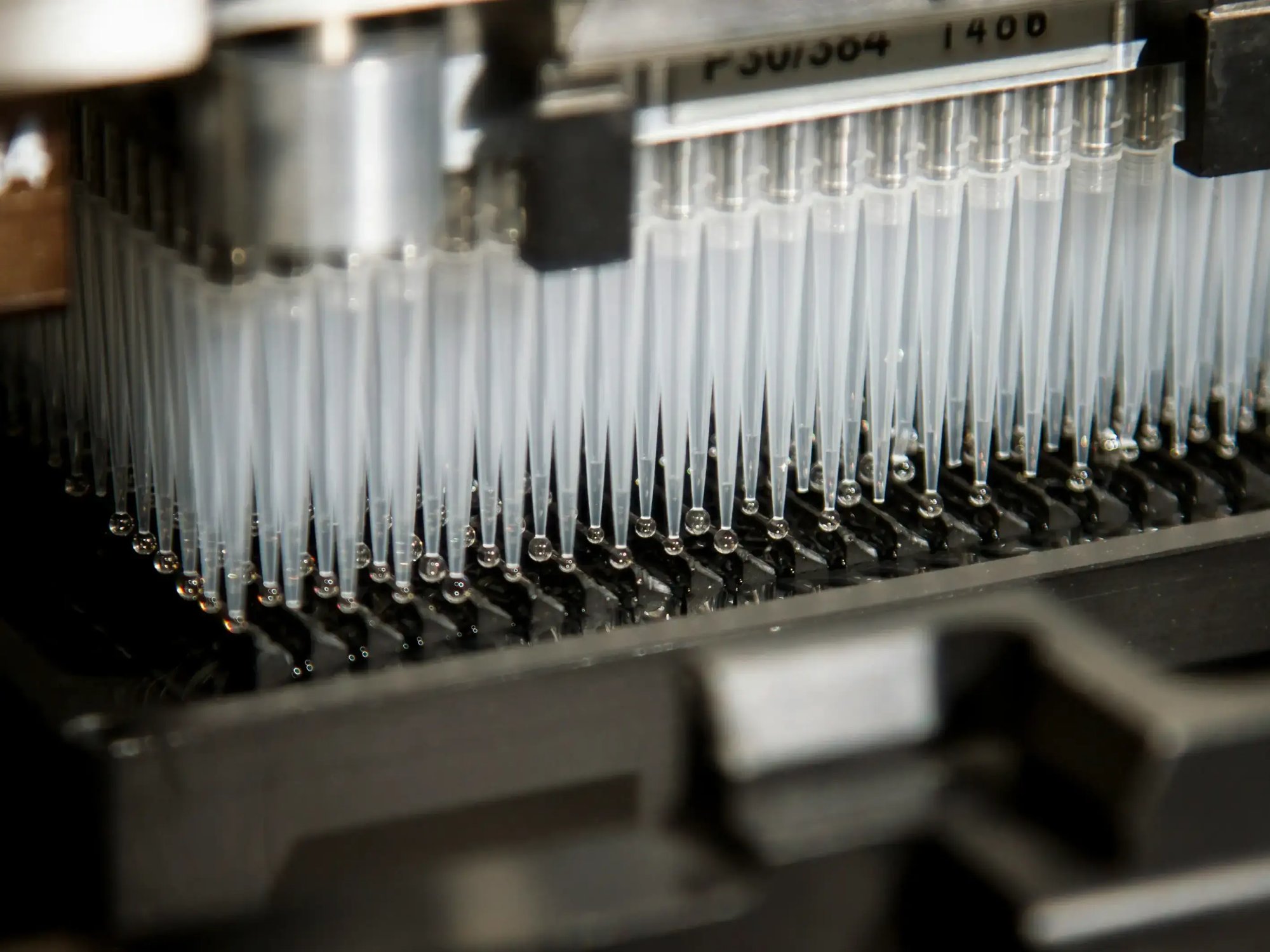
Macro shot of a sampling tool used in laboratories

Our Metaproteomics services

Integrative Multi-Omics

Expand analysis to additional strains and data layers

Combine metaproteomics with:

  • Metagenomics for species and strain identification

  • Metatranscriptomics for gene expression signals

  • Metabolomics for host–microbe metabolic outcomes

This enhances biological insight, improves mechanistic clarity, and strengthens modelling of complex microbial systems.
.

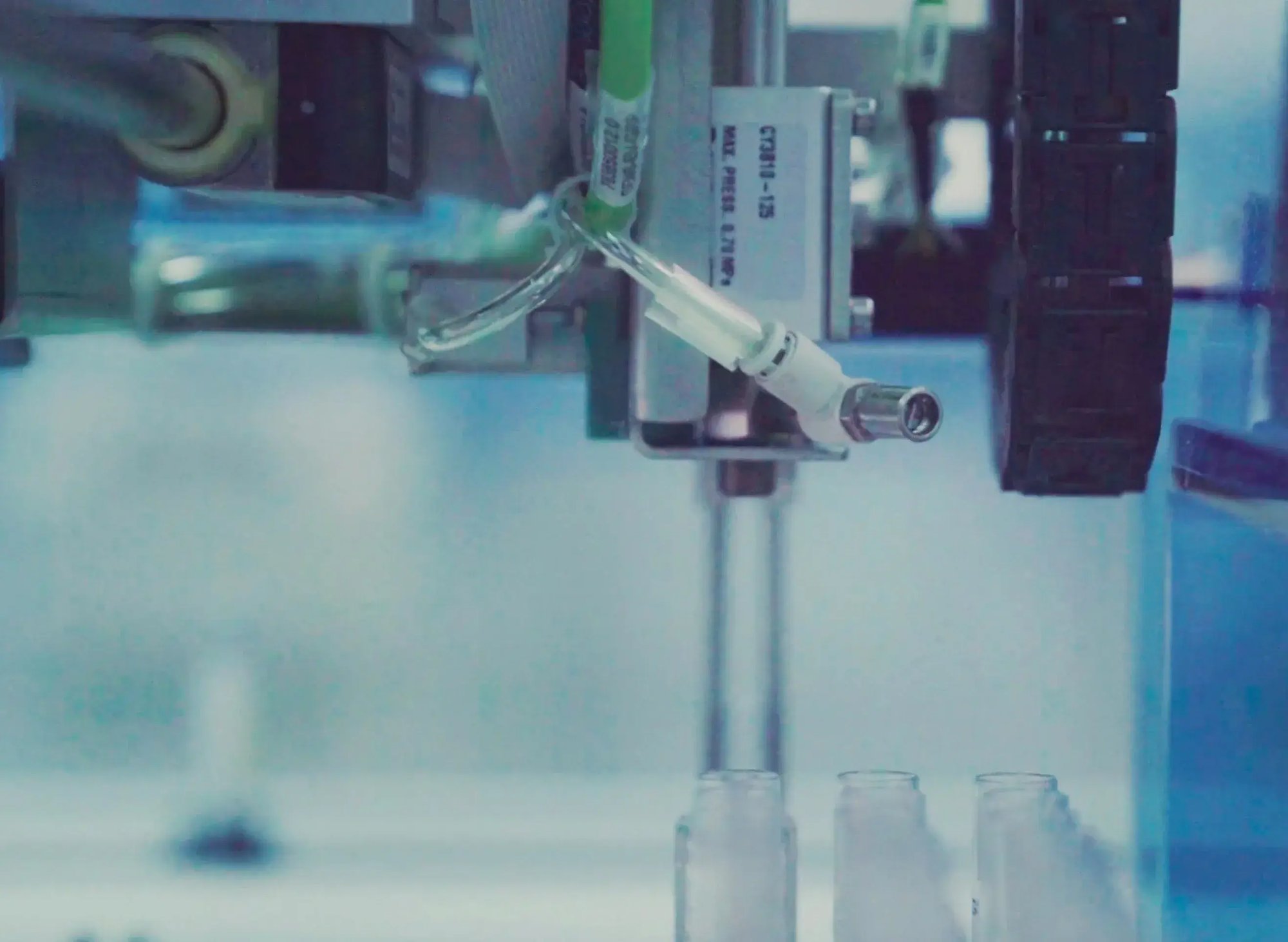
Samples in a laboratory environment

Our Experience

Using high-end LC-MS instruments like the Bruker TimsTOF 2, Cmbio can do detailed metaproteomics studies of e.g. stool and fermented stool samples. This LC MS platform combines liquid chromatography and tandem mass spectrometry to resolve molecular masses and support high-confidence peptide identification in complex samples. This enables:

  • Measurements of 35,000+ peptides per sample

  • Mapping of 8000 + proteins per sample

  • Characterizing and modelling a large proportion of species in complex samples with around ~ 300 microbial species from in gut ecosystems

Our experience in Metaproteomic profiling work includes:
  • Fiber fermentation experiments

  • HMO-driven functional mapping (e.g., 2’-FL)

  • Probiotic–microbiome interaction studies

  • Polyphenol metabolism assays

  • Characterization at enzyme-level keystone species such as Blautia and Bifidobacterium

Applications

Metaproteomics supports a wide range of scientific and commercial applications:

Nutrition & Functional Foods

  • Identify which fibers or HMOs generate beneficial SCFA profiles

  • Determine individualized dietary responses

  • Compare activity across populations with different diets

Infant Formula & HMOs

  • Validate which HMOs (e.g., 2’-FL) activate beneficial bacterial pathways

  • Determine cooperative degradation mechanisms

Probiotics & Live Biotherapeutics

  • Characterize real functional outputs of strains

  • Determine whether added strains shift metabolic pathways

  • Design synergistic microbial consortia

Prebiotics & Dietary Supplements

  • Validate mode of action

  • Identify enzyme-level responders

  • Detect beneficial vs. non-responding microbiomes

Clinical Research & GI Disorders

  • Understand functional responses in Crohn’s or IBS patients

  • Identify dietary components that trigger or alleviate symptoms

Microbial Mechanism Discovery

  • Reveal cross-feeding relationships

  • Map unknown metabolic enzymes to species

  • Support discovery of novel therapeutic targets

Related Services

Cmbio offers a complete multi-omics ecosystem to complement metaproteomics:

check icon
Metagenomics

High-resolution species and strain identification.

check icon
Metatranscriptomics

Gene expression profiling for transcriptional intent.

check icon
Metabolomics

Detection of microbial and host metabolites, including SCFAs, amino acids, and polyphenols.

check icon
Microbiome Study Design & Bioinformatics

End-to-end support from experiment design to multi-omics integration and interpretation.

check icon
Custom Databases & CHAMP Integration

Taxonomic and functional profiling without requiring full sequencing for every project.

Ready to uncover real microbial function?

Contact us to design your metaproteomics project or integrate functional proteomics into your multi-omics strategy.

Send Us A Message